
"china coffee"
21000 article(s) found

Within 10 years, China will become the third largest coffee consumer market.
Coffee is an international commodity second only to crude oil, while the quality of Yunnan coffee beans, which accounts for 99% of China's coffee production, is comparable to that of high-quality coffee produced at high elevations in Central America. As Yunnan, which has excellent raw materials, the sales of coffee are not satisfactory. Looking at China, there are few local brands, and the output and sales of coffee in China are similar to those in the main coffee producing areas and major coffee producing areas in the world.

Starbucks has expanded its stores by 70% in the past five years, hitting China's local coffee brands.
Full of confidence in the Chinese market, China's annual economic growth (GDP) fell to 6.9% in 2015 from 7.3% the previous year, the lowest level in 25 years. It is an indisputable fact that China's economic growth is slowing. However, Starbucks CEO Howard Schultz announced more than once that the company's market size in China will surpass that of the United States to become the world's largest market in the future.

Starbucks CEO is optimistic about China: the expansion of China's Coffee Market will continue for decades
Professional baristas follow coffee workshop (Wechat official account cafe_style) Starbucks believes that China's growing middle class and urbanization will increase the demand for coffee in this popular tea culture. China is Starbucks' biggest growth opportunity, and the expansion of the Chinese market is likely to continue for decades. This is Kevin John, CEO of Starbucks.

Development Prospect of Coffee in China-China Coffee Development report 2016
Development Prospect of Coffee in China-China Coffee Development report 2016 now, there are considerable coffee planting bases in Yunnan, Hainan, Guangxi, Guangdong and other provinces in China. Some world-famous coffee companies, such as Maxwell, Nestl é, Colombia and so on, have set up branches in China. They not only sell coffee products to China, but also purchase coffee from Chinese coffee planting bases.

Starbucks faces challenges: multi-coffee brands compete for the Chinese market, coffee is very popular
Multi-coffee brands compete for the Chinese market Starbucks faces challenges Starbucks is always a brand with no lack of topics. Recently, there are media reports in the United States, a Chicago woman sued Starbucks for $5 million because there were too many ice cubes in cold drinks. The news drew attention to Starbucks, which was widely questioned about its high pricing in China. There is more in one drink.

The final of the 4th China barista skills Competition was held in Guangzhou.
Professional coffee knowledge exchange more coffee bean information Please follow Coffee Workshop (Wechat official account cafe_style) the fourth China barista skills Competition, the most professional national competition in the domestic coffee industry, was held in Sany International Food City in Guangzhou from the 27th to 28th. Nearly 100 excellent baristas from Hainan, South China, East China and Shandong competed together. Chinese barista

China's coffee consumption will reach trillions ten years later
At present, the Chinese coffee consumption market is still small, but the growth momentum is very considerable. The Expo not only attracted the exhibitors of Brazil, Ecuador and other major coffee producing countries and coffee manufacturers, but also organized a delegation to participate in the exhibition for the first time in Pu'er City, Yunnan Province, with the slogan "Coffee Capital of China". It has formed a new situation of competing for "beans" between domestic coffee beans and countries of origin of coffee beans all over the world.

China wants to export coffee to become a major global coffee production base
China's coffee production and consumption China believes it has enough strength to compete with the world's two largest coffee producers: Brazil and Colombia, which produce 5.12 million bags and 1.25 million bags (60kg each), respectively. These two countries account for more than 50% of global coffee production. Vietnam in Asia relies on the cultivation of robusta coffee (robusta).

Hougu Coffee is the largest coffee brand in China's consumer market.
Hougu, China's most famous local coffee brand, is the largest coffee brand in China's consumer market. Although there are many coffee brands all over the world, it is also a good result for us to have a coffee brand in China. Hougu Coffee, as the first local coffee brand in China, is deeply welcomed by consumers! In addition, there are no other large-scale brands in China.

The elegant demeanor of the players from five continents in the third Hainan Fushan Cup
[the third Fushan Cup] the China Fushan Cup International Barista Championship has been successfully held twice since it began in 2012, which has always been professional. High-end. The fair standard organization has attracted the attention and participation of the coffee industry at home and abroad, and the event has attracted Colombia, Brazil, Ecuador, the United States, France, Italy, Vietnam, Japan, South Korea and New Zealand.
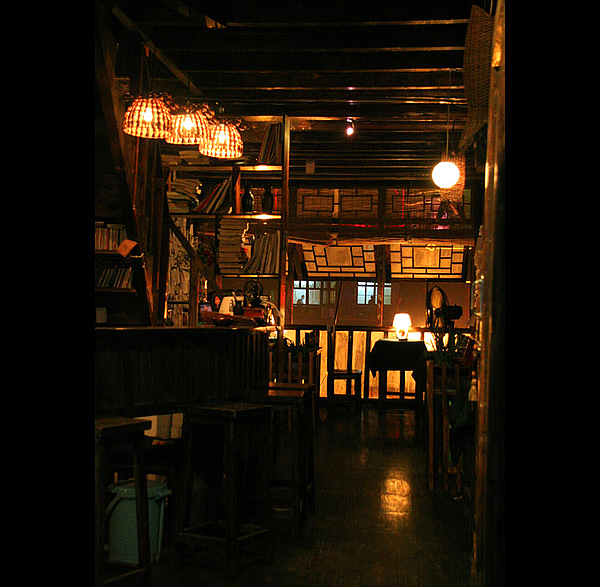
The trend of Coffee in China the Chinese coffee market is expanding at a rate of more than 30% a year.
According to the China report Hall, coffee shops have sprung up in the streets of major cities in China in the past decade, especially with the entry of Starbucks, Shangdao and other large enterprise groups, the market is showing a lively scene. We can find that the consumer group of coffee is gradually growing, the coffee culture is gradually taking shape in inland cities, and every year the domestic coffee

Korean media: Starbucks is suffering from a serious "China shock wave" for three main reasons.
Professional coffee knowledge exchange more coffee bean information Please pay attention to Coffee Workshop (Wechat official account cafe_style) the development of US enterprises in China is worrying due to the slowdown of China's economic growth, the upsurge of anti-American sentiment among the Chinese people and the improvement of local enterprises. Sales of Starbucks, an American multinational coffee chain, declined in China for the first time in the third quarter of 2018 (Picture Source: VC

Analysis of China Coffee Consumption Market in 2015
1. Changes in coffee drinking volume and drinking structure in China: compound 13% growth, instant-ready to drink-fresh grinding From 1998 to 2012, coffee consumption in China increased from 199,000 bags to 1.1 million bags, with an annual growth rate of about 12.8%. China has a population of about 1.3 billion, and coffee consumption has risen from 9.6 grams to 47.6 grams, with an average annual growth rate of about 12.1%. If the growth rate of 12.8% is maintained, the deadline
A major breakthrough! Will Tims be lucky or Starbucks?
Despite the wave after wave of COVID-19 epidemic, China's catering industry has experienced the best parts and ups and downs in just a few years, which can not stop China's coffee market from becoming an important growth market for domestic and foreign coffee chains. In China's coffee market, various enterprises show their talents across the sea, in such a fierce competition.

Coffee consumption in China is growing at an annual rate of 25%-while the average growth rate of coffee consumption in the world is
Although China's coffee consumption is facing an awkward situation, the sustained and rapid growth of consumption also makes people in the industry optimistic about the development prospects of China's coffee industry. At present, China is one of the countries with the fastest growth in coffee consumption in the world. At present, the consumption of coffee in China is about 200 billion yuan. Consumption is growing at an annual rate of 25%, while the world's coffee consumption is growing at an average rate of 2%.

Yum China enters the boutique coffee market COFFii & 喜悦 first appeared in Yum China Financial report
Recently, Yum has vigorously promoted the boutique coffee COFFii 喜悦. The boutique market is a new attempt of Yum China in the coffee market. Yesterday, Oct. 31, KFC and Pizza Hut parent Yum China released three quarterly reports, showing that Yum's total revenue in China rose 4% year-on-year to $2.2 billion, while net income rose 15% year-on-year to $203 million. In addition, it is worth noting that
China's coffee market is expected to reach 300 billion yuan in 2020.
In recent years, more and more Chinese people begin to taste western drinks on the tip of their tongue. On November 10th, foreign media reported that senior officials at Volcafe, the coffee division of British commodities trader EDF Man, said that China's annual coffee production would double in the next five years, and that production might increase again if there was sufficient demand and prices could make farmers profitable. This year's nationwide shopping

China International Coffee Exhibition Cafe Show China
Founded in 2002, Seoul Coffee Fair is the first and only coffee exhibition in Asia to be recognized by the International Federation of exhibitions (UFI). It has become the largest exhibition in the coffee industry in Asia. In order to meet the fast-growing market demand of China, China Exhibition Group Beijing Huagang Exhibition Co., Ltd. joined hands with Korea's senior EXPORUM company to bring the world-renowned coffee show brand Cafe Show to China.

There is a high demand for coffee professionals in China.
At present, China's coffee planting area is about 2000 hectares, with an annual output of more than 20, 000 tons. With the acceleration of the process of internationalization in China, the annual consumption of coffee, as an indispensable international fashion drink, has shown an upward trend of 20%. Household coffee consumption in China is growing at an annual rate of 40%. At the same time, annual retail coffee sales grew by more than 25% and continued to be strong.

The spread and Development of Coffee in China Coffee Shop Market Analysis
Analysis on the spread and Development of Coffee in China in terms of natural conditions, many parts of China are very close to Latin America, South America, India, Indonesia and other places, with inherent conditions for coffee cultivation. However, Chinese people have been drinking tea for thousands of years. As the origin of tea in the world, people are more or less interested in coffee as a foreign drink in terms of consumption habits and concepts.